
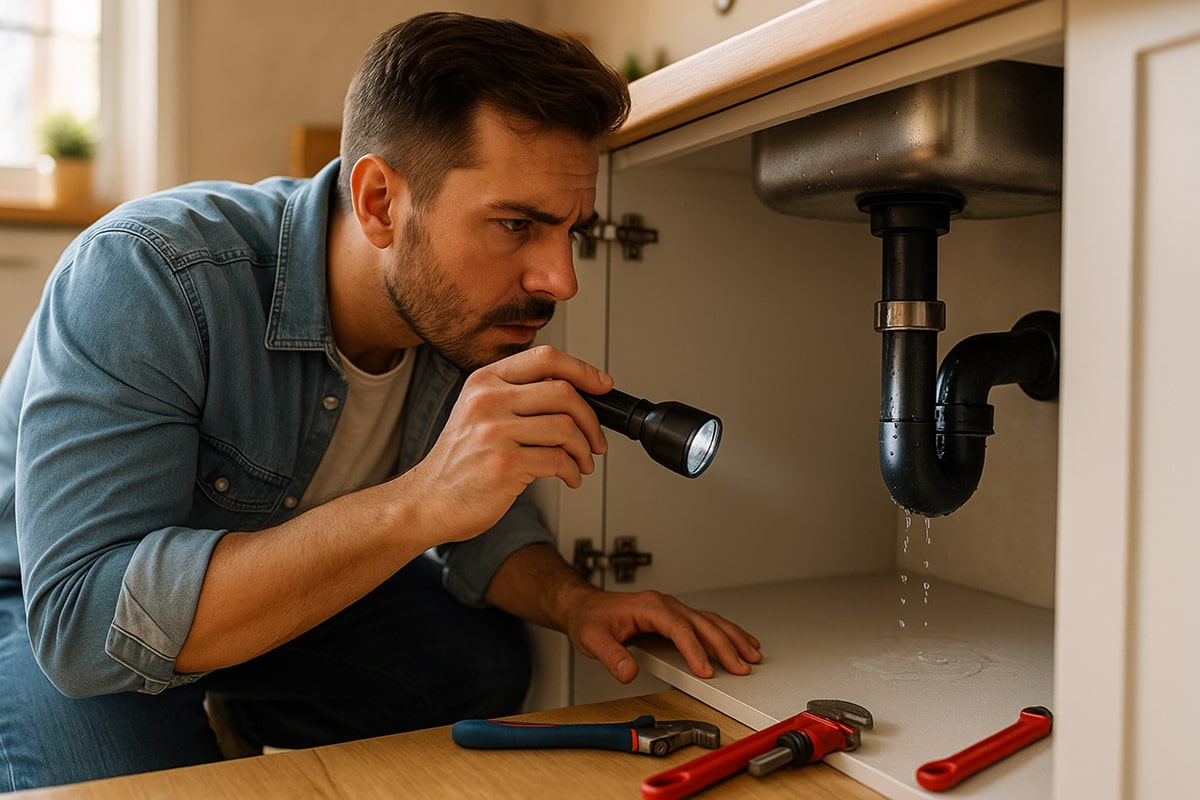
Homeowners often shrug off a slow drip or a damp cabinet. That small leak looks easy to ignore. In reality, it can drain your wallet, damage your home, and raise health risks. In Katy and the greater Houston area, leaks move fast because clay soil shifts, humidity feeds mold, and older piping is common. Acting early protects your budget and your property.
MET Plumbing has helped Houston-area homeowners fix “minor” leaks that turned into major repairs. This guide explains real costs, warning signs, and the smartest steps to take today.
Why Small Leaks Matter More Than You Think
A leak wastes water, raises bills, and soaks building materials. Even a slow faucet leak adds up. The EPA WaterSense program estimates that a faucet dripping once per second wastes more than 3,000 gallons per year. That is money down the drain and extra moisture in places you do not want it. See the EPA’s homeowner guidance in Fix a Leak Week for reference.
Common small leaks in Houston homes include:
- Dripping faucets and showerheads
- Running toilets
- Loose or cracked trap assemblies under sinks
- Leaks at water heater valves
- Pinholes in copper lines or fittings
- Slab leaks that surface as warm spots, buckling floors, or high water bills
If you suspect a leak, schedule professional water leak repair with a licensed plumber before damage spreads.
The Real Cost of Water Leaks
Leak costs range from a quick repair to a full restoration project. Houston labor and access conditions drive the final number. The figures below reflect current market ranges and national cost studies such as Angi’s 2025 pipe leak repair data and other industry reports.
Minor leaks
- Dripping faucet: About $20/month in water waste, or $200/year, plus fixture wear.
- Small, accessible pipe leak: $150–$500 to repair (e.g., under a sink or in an open basement).
- Typical Houston service visit: Many local repairs land ~$190–$392 including materials, depending on access and scope (diagnosis, minor demolition, and reassembly).
Major leaks
- In-wall pipe leak: $500–$5,000+ after opening the wall, repairing the pipe, and restoring drywall and finishes.
- Slab leak: $600–$4,000+ depending on location, rerouting, or jack-hammer access. Flooring and foundation repairs can push totals higher.
- Main water line: $352–$1,664 on average, but $5,000+ when excavation and landscape restoration are required.
- Waste or sewer line leak: $1,250–$4,700 for typical repair ranges.
Secondary damage (often larger than the leak repair)
- Water damage restoration: $2,000–$6,000 on average; severe events can exceed $50,000–$100,000.
- Mold remediation: $1,500–$15,000+ (often $15–$30 per sq ft) depending on spread. See health guidance from the CDC on mold.
- Drywall repair: $250–$750+ per area, more if ceilings or multiple rooms are affected.
- Flooring replacement: Varies by material; hardwood or engineered wood can run into the thousands.
- Landscaping after a main-line dig: $300–$16,000 depending on scope.
The fast, low-cost path is simple: fix the leak now and avoid the multiplier effect of water, mold, and restoration.
The Hidden Costs You Don’t See at First
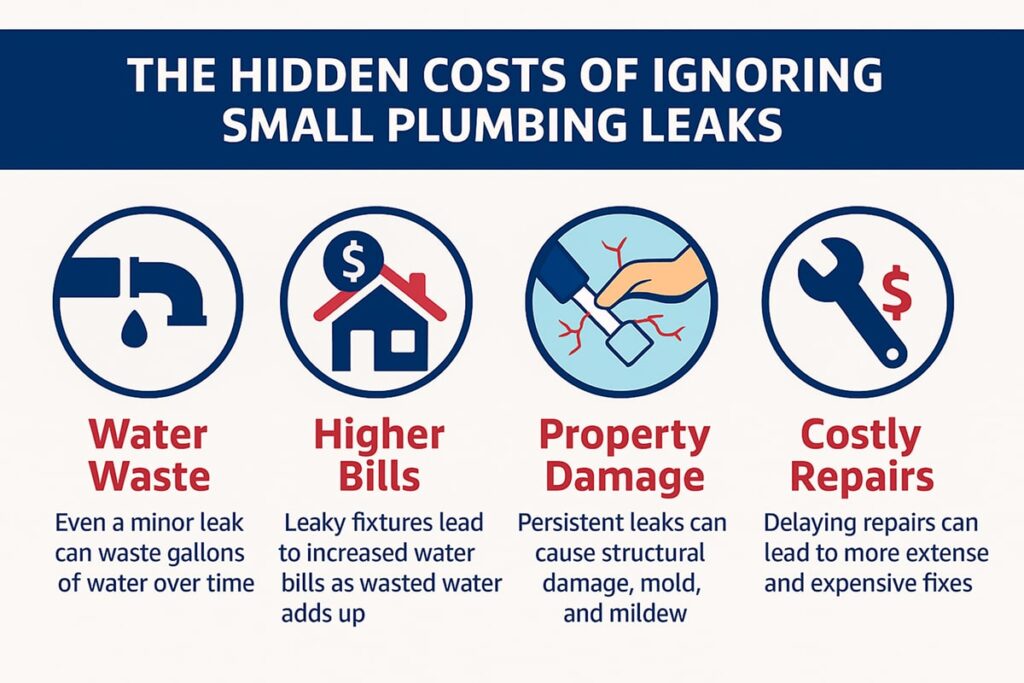
Mold builds quickly
Mold can start to grow within 24–48 hours on wet drywall, wood, and insulation. That growth raises remediation costs and health risks such as coughing, sinus irritation, and asthma flare-ups. Learn prevention basics from the CDC’s mold cleanup page.
Structure weakens
Persistent moisture warps wood, crumbles drywall, and rusts fasteners. Over time you may face subfloor rot, damaged studs, and failing finishes.
Electrical hazards rise
Water near wiring invites shorts and fire risk. If a leak reaches outlets or fixtures, cut power to the affected circuit and call a pro.
Bills climb quietly
A single running toilet can waste up to ~6,000 gallons per month, which can add $50–$70 to a combined water and sewer bill depending on your rate structure. The EPA explains common sources and savings in its household leaks overview.
Insurance may not help
Homeowners insurance usually covers sudden and accidental water damage, but long-term or neglected leaks are often excluded. Review your policy, consider endorsements for water backup and service line coverage, and keep repair records. For planning, see the Insurance Information Institute’s water damage basics.
Why Houston Homes Face Higher Risk
- Expansive clay soil around Katy and Houston swells and shrinks with moisture. That movement stresses slabs and buried lines, raising the chance of slab leaks.
- High humidity feeds mold growth after even small leaks.
- Aging piping in older neighborhoods includes galvanized steel and older copper prone to corrosion or pinhole leaks.
- Freeze events still occur. A brief hard freeze can burst uninsulated lines.
Fix Now vs. Fix Later: A Quick Cost Comparison
| Action | Immediate Cost | Likely cost if ignored |
|---|---|---|
| Tighten/replace a trap or supply line | $150–$300 | $1,500–$3,000 (cabinet + drywall repair) |
| Repair a pinhole leak in-wall | $350–$800 | $3,000–$8,000 (structural + paint + possible mold) |
| Early slab leak reroute | $600–$1,500 | $7,500–$15,000 (flooring + demo + longer reroute) |
A fast repair and dry-out beat every alternative. Delay turns a $300 fix into a $3,000 project.
How to Detect Hidden Leaks Early
Use your senses and a few simple checks:
- Watch your bill: A steady rise without more usage points to a leak.
- Listen for runs and drips: Toilet “ghost flushes” and hissing fill valves waste water.
- Check the meter: With all fixtures off, see if the low-flow indicator still spins.
- Inspect surfaces: Look for musty smells, bubbling paint, soft drywall, cupped wood floors, or damp carpet.
- Feel for warm spots: Persistent warmth on a slab floor can indicate a hot-water slab leak.
Preventing Costly Damage
Simple steps reduce risk and cost:
- Inspect quarterly: Open cabinets and check traps, supply lines, and shutoff valves.
- Maintain safe water pressure: Keep home pressure around 50–60 psi and replace a failing pressure regulator.
- Insulate vulnerable piping: Add foam sleeves in garages, crawl spaces, and exterior-wall cabinets.
- Service your water heater: Flush sediment annually and replace aging shutoff valves and flexible connectors; see the DOE’s water heating guidance for efficiency tips that also reduce strain.
- Install smart leak detectors: Whole-home systems can auto-shut water and alert your phone.
- Plan upgrades where needed: Old, corroded, or leak-prone lines may justify whole-home repiping to stop recurring damage.
When to Call a Professional
Call a licensed plumber right away if you notice:
- Visible water, persistent dampness, or a musty odor
- Stained ceilings or soft drywall
- A sudden spike in your water bill
- Warm spots on floors or constant meter movement
- Low water pressure with no other cause
- Any leak near electrical systems
A professional brings pressure tests, acoustic tools, thermal imaging, and safe repair methods. Fast action reduces demolition, protects finishes, and limits mold.
If you need immediate help, contact MET Plumbing for water leak repair. Our Katy-based team serves Houston and surrounding communities with clean, on-time, warrantied work.
Quick Answers to Common Cost Questions
How expensive is it to fix a leak?
Simple repairs often land between $250 and $500. Hard-to-reach leaks, slab leaks, or main-line issues climb from there. Use early detection to keep costs low.
How much can a leak add to a bill?
A single running toilet can waste thousands of gallons per month and add $50–$70 or more. The EPA WaterSense tips show how small fixes drive big savings.
Are leaks ever covered by insurance?
Policies usually cover sudden and accidental damage, not long-term neglect. Ask about water backup and service line endorsements. The Insurance Information Institute explains common limits.
What if I already see damage?
Document everything with photos, stop the water, and start drying. Then book a licensed plumber and, if needed, a restoration company.
Smart Next Steps for Houston Homeowners
Small leaks are not small for long. They raise utility bills, feed mold, and weaken structures—especially in our humid, clay-soil region. A quick repair today beats weeks of drying and thousands in restoration tomorrow.
- Book a same-week leak inspection with MET Plumbing.
- Ask about proactive upgrades like supply line replacements, pressure regulation, and smart leak detection.
- If your home has recurring pinholes, consider whole-home repiping to stop the cycle.
Houston and Katy homeowners have trusted MET Plumbing for over 30 years. We show up clean, on time, and ready to protect your home.